
Hernias are common in older adults, and many wonder: Is hernia surgery safe for elderly patients? Or even, can you be too old for hernia surgery? At Hernia Clinic Hampshire, we understand these concerns and want to provide clear, reassuring answers.
In most cases, yes. Hernia surgery is considered low risk, especially when performed by an experienced surgeon. At our clinic, Mr James Kirkby-Bott has repaired over 2,000 hernias and pioneered the use of local anaesthetic with sedation, which is often gentler on the body and safer for older patients than general anaesthetic.
Local anaesthetic avoids some of the risks associated with general anaesthesia and allows for a recovery that is comparable in speed, while often being more comfortable and less physically demanding for older patients.
Age itself is rarely the deciding factor. What matters more is overall health, frailty, and any underlying conditions such as heart or lung disease. During your consultation, we consider these factors carefully to ensure surgery is safe and tailored to your needs.
In some cases, if a patient is extremely frail or has other health issues, surgery may be postponed or alternatives considered—such as wearing a hernia support garment. However, there is no fixed age limit.
Decisions are made individually, balancing the benefits of repair against potential risks. Using local anaesthesia and sedation makes hernia surgery accessible to people of all ages and health conditions, especially if you are at higher risk under general anaesthesia.
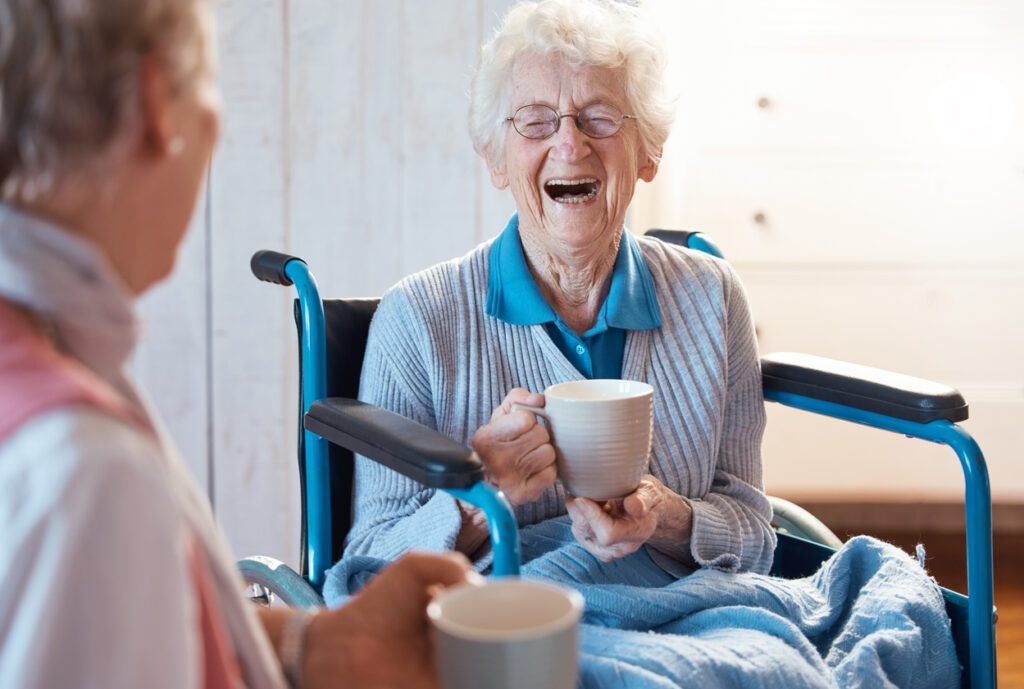
For many older adults, the decision to repair a hernia comes down to quality of life. Hernias often start small but can become increasingly uncomfortable, making everyday activities harder. If symptoms such as pain, swelling or a visible bulge begin to interfere with your day-to-day activities, we recommend that you consider a repair. Quality of life is important to enjoy the beautiful things life has to offer.
Repairing a hernia relieves discomfort caused by a hernia that limits mobility and independence, restores confidence in daily activities like shopping, gardening, or social outings, and improves overall wellbeing by reducing pain and allowing you to stay active.
Older patients might worry about recovery after surgery. Recovery after a local anaesthetic is often more straightforward than after a general. Regardless of which anaesthetic is used, our bespoke Hernia Recovery Programme helps you heal faster and more comfortably.
Early mobility is especially important for older adults. Our recovery leaflet outlines practical steps to support healing, including scar massage, wearing hernia supports when appropriate, and understanding what activities are safe—and when. Most patients return to light activity within days and resume normal routines after a few weeks.
At Hernia Clinic Hampshire, we are very aware of strong evidence showing that maintaining activity and continuing enjoyable pursuits helps preserve strength, independence, and both quality and length of life as we age. By repairing a hernia that limits activity, you can help slow the effects of ageing and reduce the progression of frailty.
If you or a loved one have concerns about hernia surgery, age, frailty, or anaesthetic risk, we’re here to help.
A consultation at Hernia Clinic Hampshire offers time to discuss your situation and receive clear, personalised advice in a calm, supportive setting.