Some factors increase hernia risk by reducing the strength and quality of connective tissue.
Collagen is the main structural protein in connective tissue. It lies in parallel fibres which can be forced apart if pressure is applied to them.
To prevent the parallel fibres from being forced apart, they have di-sulphide cross-linking bridges. The parallel fibres also have another protein woven into them called elastin. Elastin allows the collagen to stretch and recoil with pressure and movement.
Smoking
Smoking reduces collagen, elastin and di-sulphide bridges in tissues, making them thinner, weaker and easier to push apart.
Old Age
Natural wear and tear can enlarge natural anatomical weaknesses, meaning hernias become more common as we get older.
Steroids
Some drugs can alter the structure of connective tissue. Steroids reduce the amount of collagen we replace as our tissues are recycled.
Some hernia risk factors raise the risk of a hernia forming by increasing the pressure applied to the abdominal wall:
Obesity
The more fatty tissue there is in the abdomen, the more pressure there is against our abdominal wall. Excess fat deposits can also weaken connective tissue by essentially “diluting” the structural proteins described above with fat that has no strength.
Body Shape
Whether you are more prone to an apple body shape or a pear body shape alters how being overweight can cause a hernia.
Apple body shapes deposit fatty tissue inside their abdomen which increases pressure against the abdominal wall. This pressure is countered when you use your abdominal muscles to do everyday activities such as walking or getting out of a bed or a chair. These muscles pull against fixed natural weak areas which can make the natural weak areas prone to hernias. The greater your intra-abdominal pressure is, the greater this effect.
The more obese someone is, the more effort is required to lift one’s lungs while breathing. This causes the abdominal muscles to tire quicker and the fixed natural weak areas of the abdominal wall get pulled, creating hernias. This allows the intra-abdominal content to exert more pressure against the weakest areas. This is how pear body shapes develop hernias.
The more overweight a person is, the more they combine apple and pear body shapes and so make these effects even greater.
In some cases, achieving a weight loss target is necessary to reduce the risk of hernia recurrence. If needed, we can arrange referral to a private GP‑led Weight Loss Support Programme for medically supervised weight‑loss treatments.
The upper abdominal wall plays an important role in breathing. This is why using your arms to brace yourself when short of breath helps. You are using your abdominal wall and shoulders to aid breathing.
Poorly controlled respiratory conditions increase the effort required during breathing. This causes the muscles to tire more quickly and can put increased pressure on the weak areas of the abdominal wall.
This, as well as obesity, puts more tension on a hernia repair, increasing the risk of recurrence in the first 6-12 months.
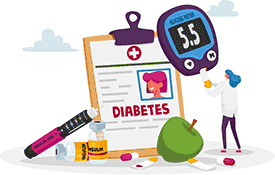
How Does Diabetes Control Alter the Risk?
Poor glucose control, over time, alters the rate at which we replace tissue, making it ‘age’ quicker.
It also increases the risk of post-surgery wound complications, such as infection, which have been shown to increase the risk of recurrence.
For this reason, national guidelines state that elective surgery such as hernia repair should not be offered until the HbA1c is less than 69.
To learn more about how you can reduce recurrence risk – and the steps we take at Hernia Clinic Hampshire – see our article Can You Prevent Hernia Recurrence?
We use cookies to ensure that we give you the best experience on our website. If you continue to use this site we will assume that you are happy with it.