We understand that undergoing hernia surgery can leave you with a lot of questions and concerns. How long will the repair last? How can I improve my results? What should I expect in terms of pain? What happens after surgery?
At Hernia Clinic Hampshire, we’re here to ease those worries and guide you through the steps we take to get you the best post-surgery results. Our goal is simple: to help you get back to feeling better as quickly and comfortably as possible.
We have pioneered approaches to hernia repair that help you get back to the activities that you enjoy quicker. Our approach helps you through:
Being active soon after your hernia surgery improves your results by reducing post-surgery pain and by influencing how the wound heals and the scar forms.
Our approach to surgery using local anaesthesia and sedation is more gentle on the body than general anaesthetic. Patients walk out of the hospital the same day as their operation.
Our Post Hernia Surgery Advice Leaflet provides important information, from how to massage your wound for a more comfortable scar, to advice on bruising and pain management, to what you should expect to be doing after surgery and typical timelines for certain activities like bathing and exercise.
Our Hernia Recovery Programme helps you return to activity after surgery quicker and more confidently. Hernia Support garments support your repair and help you feel more confident and comfortable being mobile.
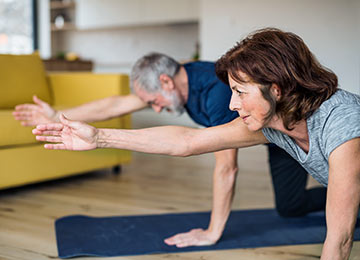
Our structured Hernia Rehabilitation Exercises has been specially designed to help you safely get active and boost healing early on.
Managing your pain in the early recovery period after surgery has been shown to reduce long-term discomfort. There are many steps we take to lower the risk of long-term pain after your hernia repair:
In repairs using local anaesthesia and sedation, local anaesthetic helps to change how your nerves respond to tissue injury, reduce the pain response, and provide good pain relief for 12+ hours.
The mesh we use in inguinal hernia treatment spreads tension equally over a wide area, reducing discomfort, and any extra fixation used dissolves so it cannot cause long-term discomfort.
We provide valuable advice on how to massage your wound after surgery to help create a more comfortable scar.
Watch our Consultant Surgeon explain how and why to massage your wound: Watch the Video
Our Hernia Rehabilitation Exercises help lower the risk of long term pain by influencing how your scar remodels and how comfortable it is. The hernia supports can also help by reducing bruising and supporting your repair post-surgery.
Anxiety and the unexpected have been shown to worsen one’s perception of pain and experience of pain from tissue injury. We provide extensive online advice on what to expect after hernia surgery in order to bring you peace of mind.
One of our top priorities is lowering the chances of your hernia returning. Here’s how we work to prevent recurrence and improve the outcome of your surgery:
The hernia supports help make up for lost strength during activity, reducing the strain on your repair. Hernia supports also help you to perform the rehabilitation exercises early on, boosting blood flow and wound healing, and re-strengthening the muscles around your repair.
Our Consultant Surgeon discusses and creates a personalised surgery plan that meets your unique needs.
Studies show the more cases a surgeon or surgical centre has, the lower their recurrence rates tend to be. Our expert Consultant Surgeon has repaired around 2,000 hernias! This experience is a valuable resource for preventing recurrence.
Mesh repairs are standard practice today and have a much lower risk of recurrence than suture-only repairs.
All the hernia surgery information you need to make an informed choice is within HerniaClinicHampshire.com and is part of the surgery consenting process. If after reading this a couple of times you still have questions about your hernia repair, please email them to us prior to your surgery so we can answer them and make sure you are comfortable with and understand what you are agreeing to and why.
We will go through a consent form and both sign what we have agreed to on the day of surgery, but you must not leave it to the day of surgery to feel informed about your decision. If you decide against surgery, you need to appreciate the consequences of that decision too.
Further hernia surgery information is available here:
nhs.uk/conditions/inguinal-hernia-repair